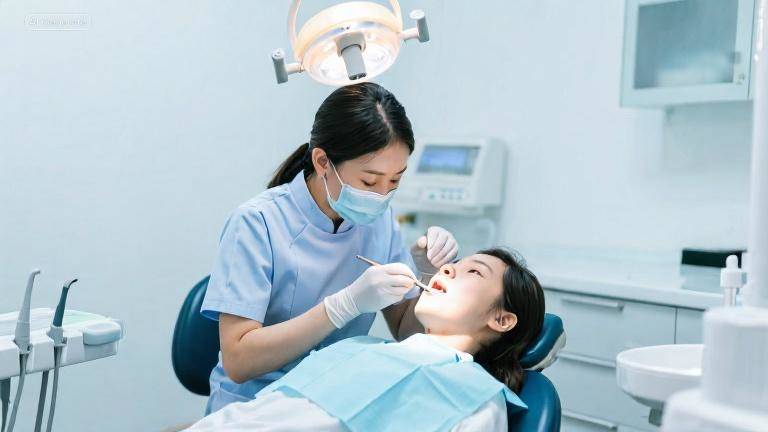
A dental cleaning removes plaque and hardened deposits called tartar from your teeth. The appointment may also include polishing, advice on cleaning between teeth and, when appropriate, fluoride treatment. What you need depends on the condition of your teeth and gums.
If you are booking a cleaning in Pattaya, understanding each part of the appointment can help you explain your concerns. The five stages below describe a typical approach; the order and treatments may vary after your dentist examines your mouth.
1. Checking your teeth and gums
Before cleaning begins, tell the dentist about bleeding gums, sensitivity, pain or anything that has changed since your last visit. Bring an up-to-date list of medicines and mention relevant health conditions and allergies. If previous cleanings were uncomfortable, explain what happened so you can discuss it before starting.
A dental examination can identify concerns such as inflamed gums, decay, damaged fillings or changes in the tissues of your mouth. The dentist can explain whether these need further assessment or separate treatment. The NHS guide to check-ups explains how an examination also provides an opportunity to discuss your general health and daily oral care.
When booking, confirm whether the appointment includes a full examination as well as cleaning. Do not assume that every cleaning appointment includes X-rays or all the investigations you might need; ask what is recommended and why.
2. Removing plaque and tartar
Plaque is a film of bacteria that collects on teeth. When it hardens into tartar, brushing alone cannot remove it. A dentist or dental hygienist uses professional instruments to remove these deposits. The National Institute of Dental and Craniofacial Research explains the role of plaque and tartar in gum disease.
Cleaning may involve hand instruments or an ultrasonic device, depending on the areas being treated. These are tools for removing deposits; your dentist can explain the approach being used. Public Health Agency of Canada guidance describes both methods of professional tartar removal.
Does dental cleaning hurt?
People experience cleaning differently, so it would be misleading to promise a painless appointment for everyone. Tell the dentist if an area feels sensitive or if you need a pause. Agree on a hand signal before starting, especially if you are worried about interrupting the procedure, and discuss what can make the appointment manageable for you.
3. Polishing when appropriate
Polishing can help remove some surface stains after deposits have been removed. It is different from bleaching intended to change tooth colour. The dentist can explain which marks are surface stains and whether cleaning is likely to address the change you have noticed. The American Dental Association explains the distinction between surface stains and changes within a tooth.
Avoid judging the need for cleaning only by how white your teeth look. If your main concern is colour, mention it before treatment so you can discuss realistic expectations. Our dental check-up and cleaning page provides an overview of care at the clinic.
4. Cleaning between teeth and discussing home care
The appointment may include flossing or a demonstration of how to clean areas that are difficult to reach. Point out places where food catches or where you struggle to use floss. Ask the dentist to show you an approach that fits your mouth, including around any bridges or other dental work.
Professional cleaning does not replace daily care. The NIDCR oral hygiene guide recommends brushing with fluoride toothpaste and cleaning between teeth. A demonstration can be more useful than a general instruction to “floss more”, particularly if you are unsure about technique.
5. Rinsing and fluoride treatment, if needed
Rinsing can clear away debris during the appointment. Fluoride treatment is a separate decision based on your needs rather than an automatic final step for everyone. Fluoride helps protect teeth against decay; the ADA’s fluoride guidance covers professional topical treatments and their appropriate use.
If fluoride is recommended, ask why it is useful for you, whether it is included in the fee and what instructions apply afterwards. Follow the instructions for the product used rather than assuming the same advice applies to every fluoride treatment.
Routine cleaning and deep cleaning are different treatments
Scaling and root planing is a deeper cleaning used to treat gum disease below the gumline. It may require more than one appointment and local anaesthetic. A routine cleaning should not be presented as a substitute when a patient needs periodontal treatment. The ADA’s patient guide to scaling and root planing explains the difference.
If deeper treatment is proposed, ask which findings support it, which areas need treatment and how progress will be checked. Confirm the number of appointments and the estimate for that plan. Comparing its price with a routine scale and polish alone would not compare the same treatment.
How often should you have a dental cleaning?
The interval should be agreed with your dentist after assessing your mouth. A six-month schedule is not a universal rule, and a check-up interval is not necessarily the same as a cleaning or gum-maintenance schedule. NICE dental recall guidance distinguishes check-ups from the frequency of scaling and polishing.
Before leaving, ask when to return and whether the next appointment is for an examination, cleaning or a review of treatment. If you develop a problem between planned visits, contact the clinic rather than waiting simply because your next routine appointment is some months away.
Preparing for your appointment and caring for your teeth afterwards
When booking, mention your main concern and whether you are seeking routine care or follow-up for a known gum problem. Ask how much time to allow and what the fee covers. The time needed and the plan cannot be confirmed for every patient from an article or a photograph.
After treatment, follow the advice you receive about brushing, cleaning between teeth and any product applied. If discomfort or bleeding concerns you, contact the clinic for guidance. Advice after a routine cleaning may differ from instructions after deeper periodontal treatment, so keep the instructions for your own appointment.
Booking dental cleaning in Pattaya
Smile Dental Center is on South Pattaya Road. You can check our dental fees and ask what is included in the proposed appointment. Any additional examination or treatment should be explained before you decide to proceed.
To enquire or arrange an appointment, contact us on LINE or call 083 066 9486. Our contact page has the clinic’s location. Tell us what you would like checked and when you are available.